
19/11/2026
How to Plan and Manage a Repaint in an Operating Facility
Industrial painting in an operating facility is a planning job first and a painting job second. Most people…
Read More

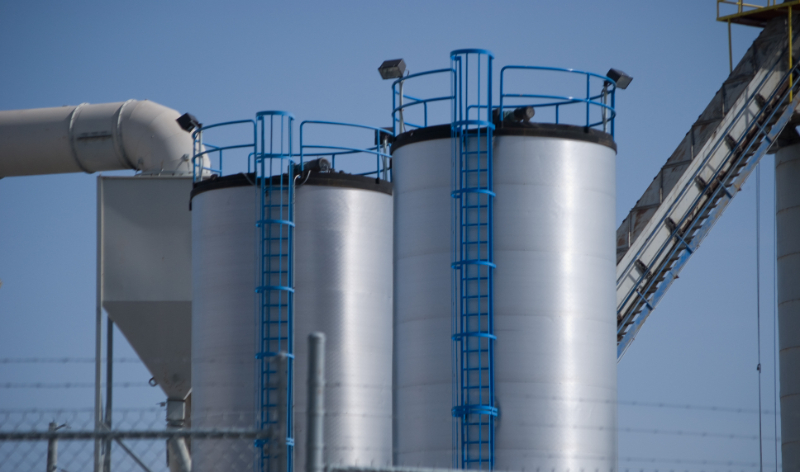

Industrial painting in an operating facility is a planning job first and a painting job second. Most people think about painting their plant in terms of teams, lifting equipment, and paint fumes. In reality, a lot of groundwork needs to be done months in advance to determine what needs painting, what can wait, when areas of the plant can be made available, and what the coating needs to withstand.
This guide covers how to tell when your plant needs painting, what needs painting, when it can be painted, what to do before the first coat, how to keep the plant running, what affects the cost, and how to ensure a good result.
Industry Painting Ltd. helps facility managers across Toronto, the GTA, and Southern Ontario determine when a repaint is due, define the scope and window, keep production running, prepare surfaces correctly, and deliver a finish with records, so the next cycle is planned rather than driven by failure.
Industrial painting in a working facility succeeds or fails on planning. This guide explains how to spot early coating failure, set a scope phased across budget years, choose between shutdown, weekend, and night windows, prepare surfaces properly, keep production running zone by zone, compare quotes fairly, and close the job with a handover record for the next cycle.
The office wall may get brushed against, occasionally hit by a chair, and washed only weekly. In contrast, the plant wall will be struck by pallets, sprayed during washdowns, and exposed to high heat from the process line. This means the paint won’t have the same durability.
Ovens, steam lines, furnaces, and uninsulated roofs drive surface temperatures far beyond what ordinary paint can withstand. Coatings soften, discolor, or crack. Hot zones require products rated for the temperatures they will encounter.
Food plants and many production areas get cleaned with hot water, high pressure, and strong cleaners, sometimes daily. A standard wall paint softens and wears through under this routine. Epoxy and urethane systems hold up far better in washdown areas.
Within weeks, forklifts, pallet jacks, and carts strip paint from door frames, column bases, and floor edges. High-traffic floors require an epoxy floor system rather than floor paint. Columns and corners along traffic routes require more durable coatings and, in many cases, physical guards.
Commercial paints are applied with appearance as the main consideration. Industrial coatings are applied with performance being the primary concern.
Applying an office coating to an industrial environment will cause deterioration within a season, usually where there is the most human/machine contact.
Not sure which areas need work first? Book a facility walkthrough with us, and we’ll show you what needs attention now and what can wait.
Paint rarely fails all at once. It sends warnings first, and the trick is catching them while the fix is still a repaint, not a rebuild.
Wall surfaces will show signs of chalking (leaves a white powder on the hand), discoloration, and fine cracks. Steelwork will show rust bleeding through around welds, bolt heads, and edges. Steel caught at this stage rarely needs a full strip, and sandblasting to remove early rust keeps the repair small while the steel underneath is still sound.
Ceilings and roof decks will show peeling around damp areas and around heat sources. Floor surfaces will show wear patterns, chipping, and coating lifting around drainage points.
Cosmetic failure is when the surface doesn’t look nice, but the coating is still providing protection. Examples include old walls or scratched paint in an office.
Protective failure is when your coating is no longer protecting the surface. This can be rusted steel, flaking paint on a damp ceiling, or the concrete showing through the flooring. Cosmetic failure is something you can control, whereas protective failure cannot.
A sound surface needs cleaning, light prep, and a new coat. A failed one needs the old coating removed first, and on steel, often sandblasting back to bare metal. The painting part stays roughly the same. The prep part grows every season you wait. At some point the question becomes whether to sandblast to bare metal or overcoat, and the condition of the old paint decides the answer.
One Industry Painting Ltd. project shows the pattern. A metal ceiling deck over 30 years old had corroded badly, from a moist environment and a poor paint job by a previous contractor. By the time it got attention, the work involved far more than a fresh coat.

Contractors price what you ask for. A clear scope gives you quotes you can compare. General contractors running a facility project face the same scoping questions, along with how industrial painting subcontractors are evaluated on safety, access planning, and corrosion control.
There are three common ways to scope a job:
Surface-type scoping often makes the most sense in plants because each surface needs its own prep and coating anyway.
Very few sites will be fully repainted in a year. The best approach is to fix any protection issues first, then address high-traffic/high-visibility areas.
Finally, add decoration. By planning ahead for 3 years, you won’t have 3 repainting emergencies in that time.
Skip any areas that will be renovated, any equipment due for replacement, and anything still in good condition. Painting a wall that will be demolished in the next year won’t help anyone.
Need help splitting the work across budget years? Talk to our team about phasing, and we’ll help you rank areas by risk and visibility.
Timing decides more than the calendar. It shapes the prep, the coating choice, and how much the plant notices the work.
| Window | Best for | Tradeoff |
|---|---|---|
| Planned shutdown | Production floors, ceilings over equipment, blasting | Short window, booked well ahead |
| Weekends | Deck ceilings, warehouses, offices | Two days per stretch, cure time matters |
| Night shift | Offices, corridors, low dust work | Lighting and supervision needed |
| Live production | Walls and areas away from the line | Zoning and containment required |
Metal deck ceiling work is usually scheduled for plant shutdowns or weekends, since everything below the ceiling needs protecting.
Exterior painting needs dry surfaces and steady temperatures above the coating’s minimum. In Southern Ontario, the reliable exterior season runs from late spring into early fall. Interior work happens year-round, as long as the building is heated and ventilated.
Many plants slow down or shut down around the holidays. Contractors have more open dates than in the spring rush. Interior painting, sandblasting, and floor coatings fit well into these weeks, with one condition: plan in autumn, because shutdown dates fill fast.
Surface preparation is the least visible part of industrial painting services and the part most likely to decide how long the job lasts.
Every coating needs a clean, sound surface to grip. Prep means removing whatever stands in the way:
Painting over dirt, grease, or loose coating can cause the new finish to fail with whatever was underneath.
Crews cover machinery, conveyors, electrical panels and stock, and mask sprinkler heads, sensors and fixtures. Mark off walkways around the work. Agree in advance who moves what. If blasting is part of the job, our checklist of things to sort out before a sandblasting crew arrives covers masking, containment, ventilation and waste.
Ceilings, roof decks and high steel need lifts or scaffolding. Check floor load limits, aisle widths, and lift routes before the job starts. Industry Painting Ltd. crews train in Working at Heights, WHMIS, and confined space entry as each job requires.
Industrial painting contractors work around live operations every week. The method matters more than the paint.
Divide the area into sections, complete each section before moving on to the next. Ensure there is a clear path for staff and forklifts throughout the building. This will ensure you don’t disturb an area more than once. You can prepare, apply, and clean up in one go.
Some coatings give off odor while they dry. Choose low-odor products for occupied areas, ventilate the work zone, and schedule solvent-based coatings for nights or weekends. Sanding, scraping, and blasting create noise and dust, so plan them for times when nearby areas are quiet or empty.
A notice on the door prevents most complaints.
Every factory painting quote comes down to the same handful of factors:
Two quotes rarely price the same job. One includes full prep, the other a quick clean. One prices two coats of an industrial system, the other one coat of general paint. One assumes weekend access, the other daytime.
Line the quotes up by prep, coating, number of coats, and hours. The gap usually disappears or explains itself.
Here’s the honest part. The cheapest quote on a plant repaint is often the most expensive one three years later.

Industry Painting Ltd. lists coating inspection among its services, and its team is trained in NACE and SSPC inspection and preparation standards.
Our coating inspection services for industrial facilities confirm the work meets spec before handover.
Walk the facility once a year with the handover record. Touch up chips and scrapes early, before rust or moisture gets behind them. Note which areas wear fastest and budget for them first.
Industry Painting Ltd. provides industrial painting in Toronto from 121 Apache Trail, serving warehouses, plants, food and automotive facilities, and commercial properties. Our plant painting services cover walls, metal deck ceilings, metal siding, structural steel, silos, epoxy floors, and concrete block. Warehouse painting and factory painting projects run across North York, Scarborough, Etobicoke, Mississauga, Brampton, Vaughan, Markham, Oakville, Burlington, Hamilton, Kitchener, and Waterloo.
A facility repaint goes well or badly long before anyone opens a can. The scope, the window, the prep, the zoning, and the handover are all owner’s decisions, and each one shapes the finish you live with for years.
Get those right, and painting around a working plant becomes routine instead of disruptive. Skip them, and you pay twice, once for the repaint and again for the failure it didn’t prevent.
Start with a walk-through of your facility. Industry Painting Ltd. will walk it with you, point out what needs work now and what can wait, and help you plan the rest. Call (647) 831 6201 or email info@industrypainting.ca to book a site walkthrough.
Industrial coatings are chosen for heat, chemicals, washdown, and traffic first, then appearance. Commercial paint is chosen mostly for looks.
Often, yes, area by area with containment. Ceilings and work over aisles usually happen during nights, weekends, or shutdowns.
Winter shutdowns suit most plants. Book in autumn, since holiday shutdown dates fill quickly across the GTA.
Usually the facility moves stock and portable equipment, and the painting crew protects what stays. Agree on this in writing.
Product names, color codes, batch numbers, completed areas, cure times, leftover paint for touch-ups, and notes on surfaces to watch.
Industrial painting in an operating facility is a planning job first and a painting job second. Most people…
Read More
Most coating failures on industrial steel occur long before the first can of paint is opened. The primer…
Read More
Commercial Painting in Toronto at a Glance Commercial painting contractors in Toronto protect business properties by applying durable…
Read More Call Us


